View Our Financing Options
More Information


.png)
Know what's happening inside your chimney before you light your next fire. Dave's Chimney Service provides detailed chimney inspections using ChimScan® camera technology, with professional chimney sweeping performed when cleaning is needed.

ChimScan® camera inspection
Interior & exterior evaluation
Sweep/cleaning when needed
Detailed findings & recommendations
Fill out the form below and we'll be in touch to schedule your appointment.
.png)
Every chimney sweep starts with a thorough inspection. If your chimney doesn't need to be swept, we won't perform or charge for an unnecessary cleaning.

We evaluate the chimney and use ChimScan® camera technology to examine the interior flue and components.
.png)

Our technician evaluates the level of soot, creosote and debris present.

If your chimney needs cleaning, we'll perform the sweep. If it doesn't need to be swept, you won't be charged for an unnecessary cleaning.
.png)
Our inspections provide a complete look at your chimney system so you can have peace of mind.
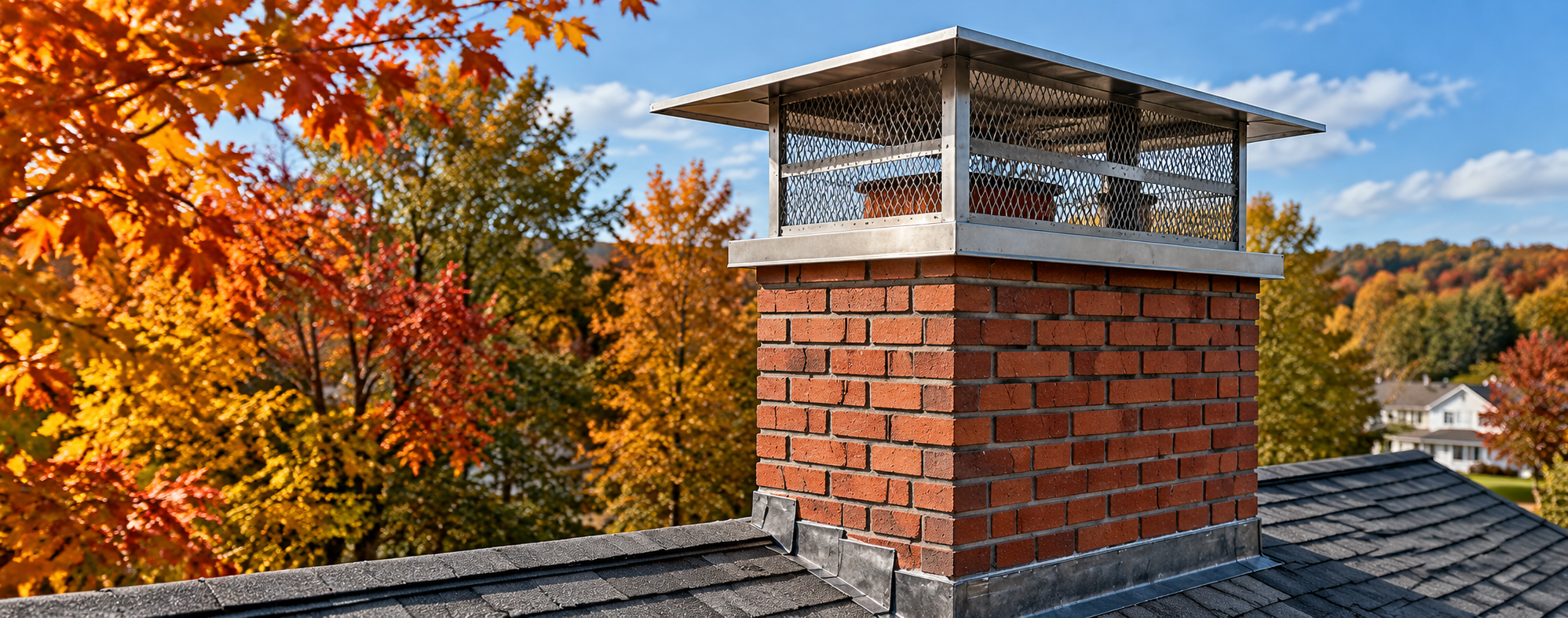

A detailed look inside the chimney and flue.

Look for visible cracks, deterioration or other concerns.

Determine whether chimney cleaning is necessary.
.png)
Look for debris, animal nesting and other obstructions.
.png)
Evaluate visible masonry, crown, cap and other exterior components.
.png)
Evaluate conditions that may affect proper chimney operation.

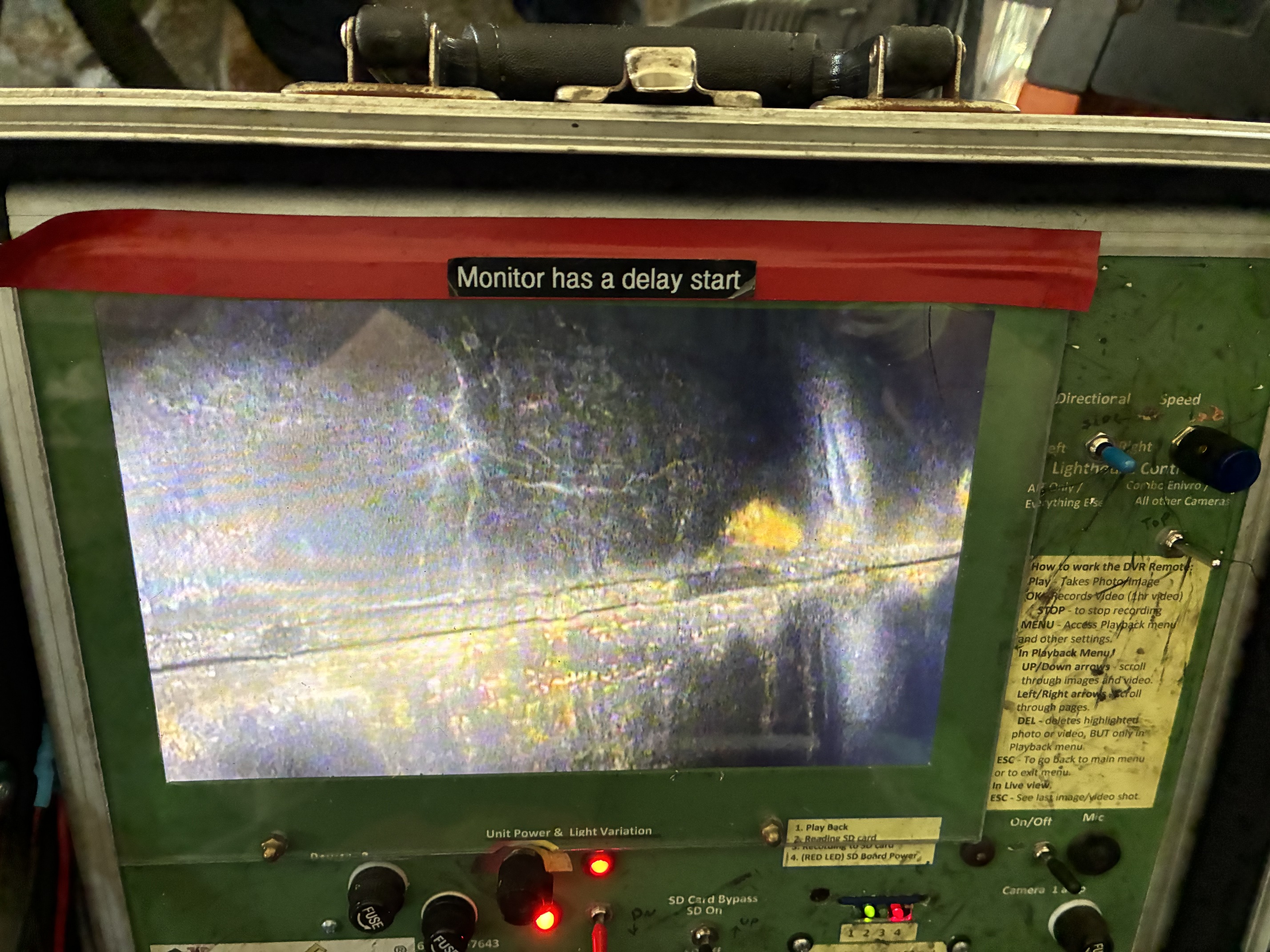
Our chimney inspections don't stop at what can be seen from the fireplace or rooftop. ChimScan® camera technology gives our technicians a detailed view of the inside of your chimney so we can identify conditions that may otherwise be difficult to see.
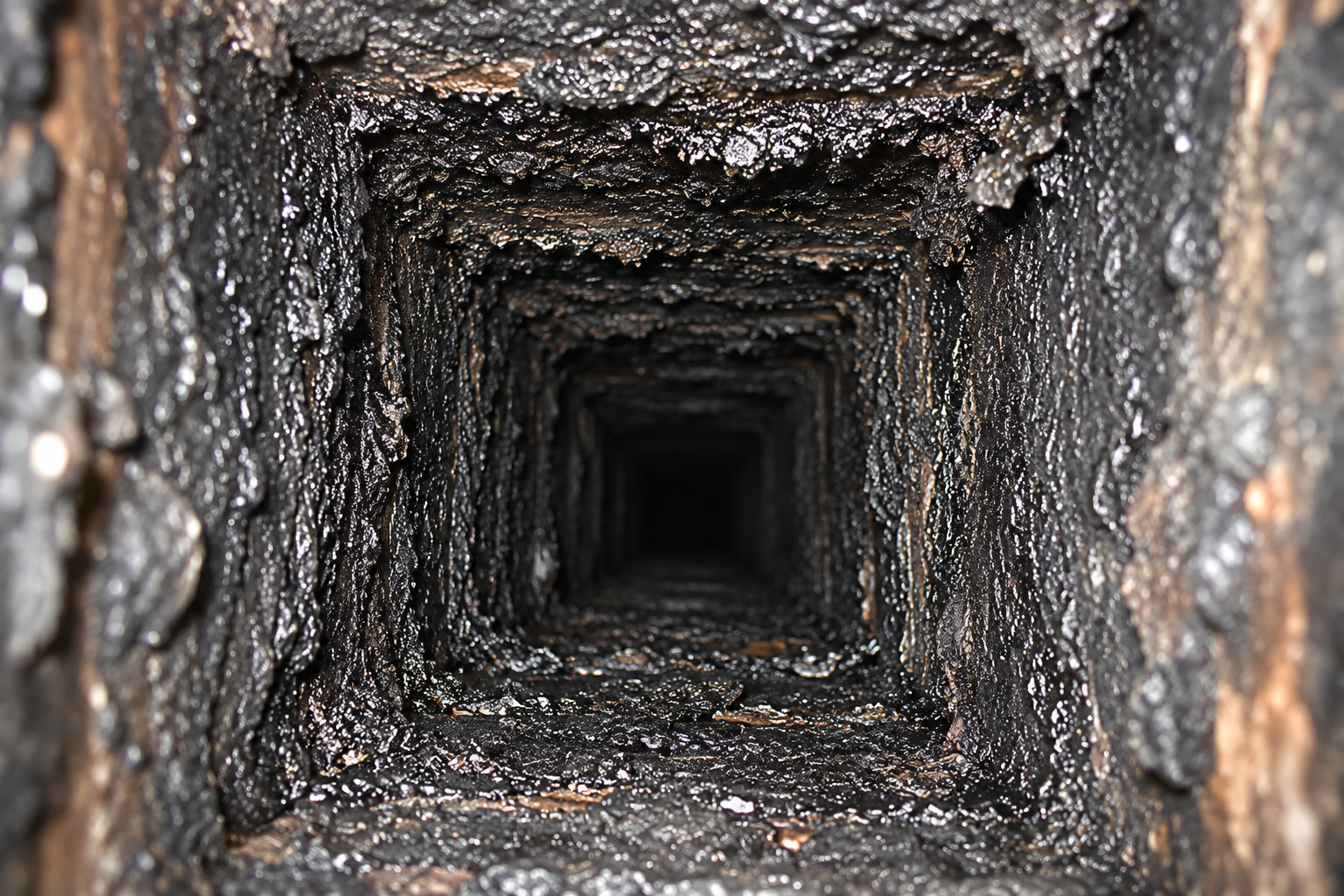
A chimney sweep—also commonly called chimney cleaning—removes accumulated creosote, soot and debris from the chimney system. But not every chimney needs to be cleaned at every appointment. That's why we inspect first.

.png)
.png)
.png)
.png)
We'll professionally sweep the chimney and remove accumulated material while taking precautions to protect the surrounding area of your home.
.png)
We won't perform or charge you for an unnecessary sweep.
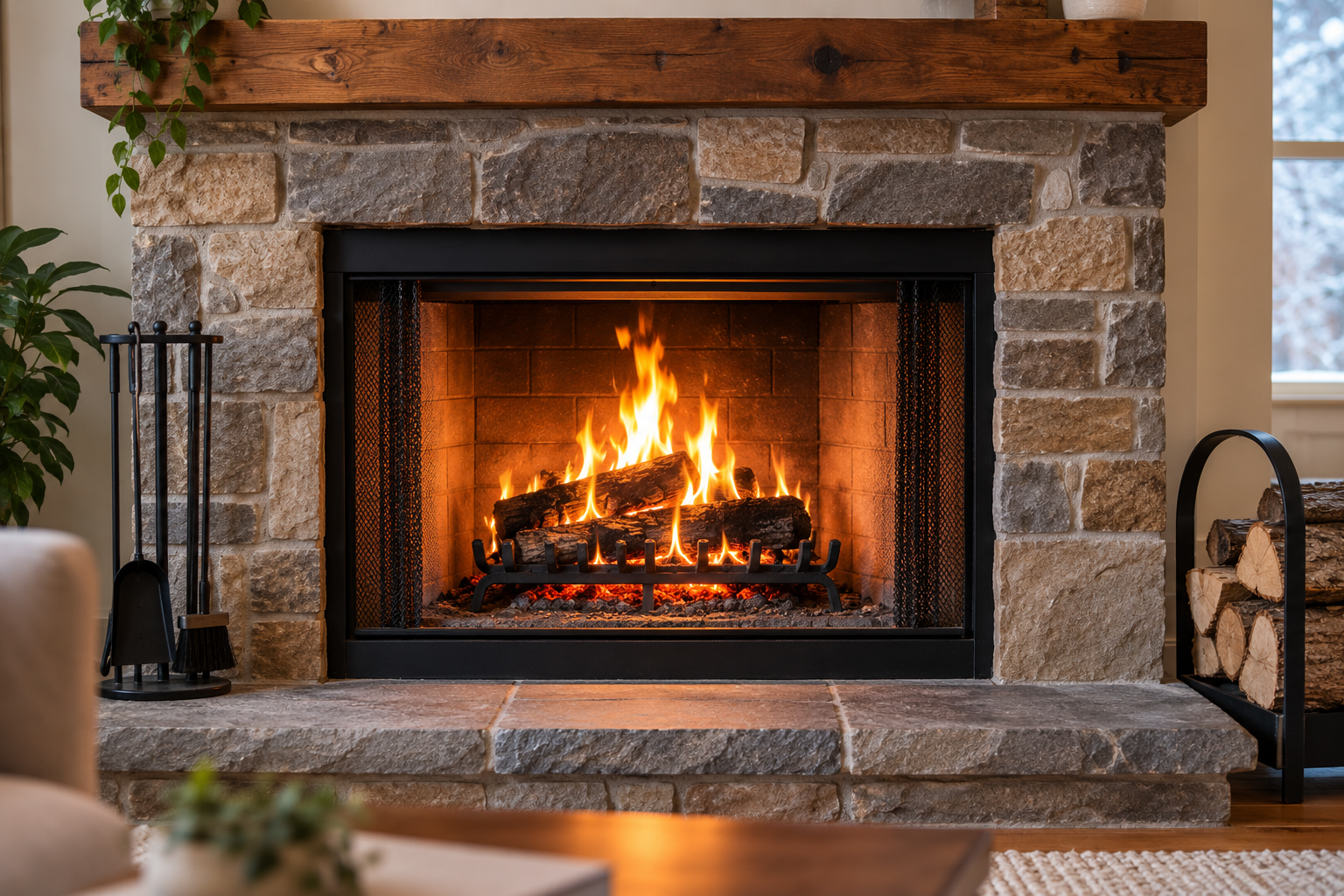
Inspection and chimney cleaning for traditional fireplaces.

Inspection and sweeping for wood-burning stove venting systems.

Inspection and cleaning for chimneys serving qualifying boilers, furnaces and hot-water systems.
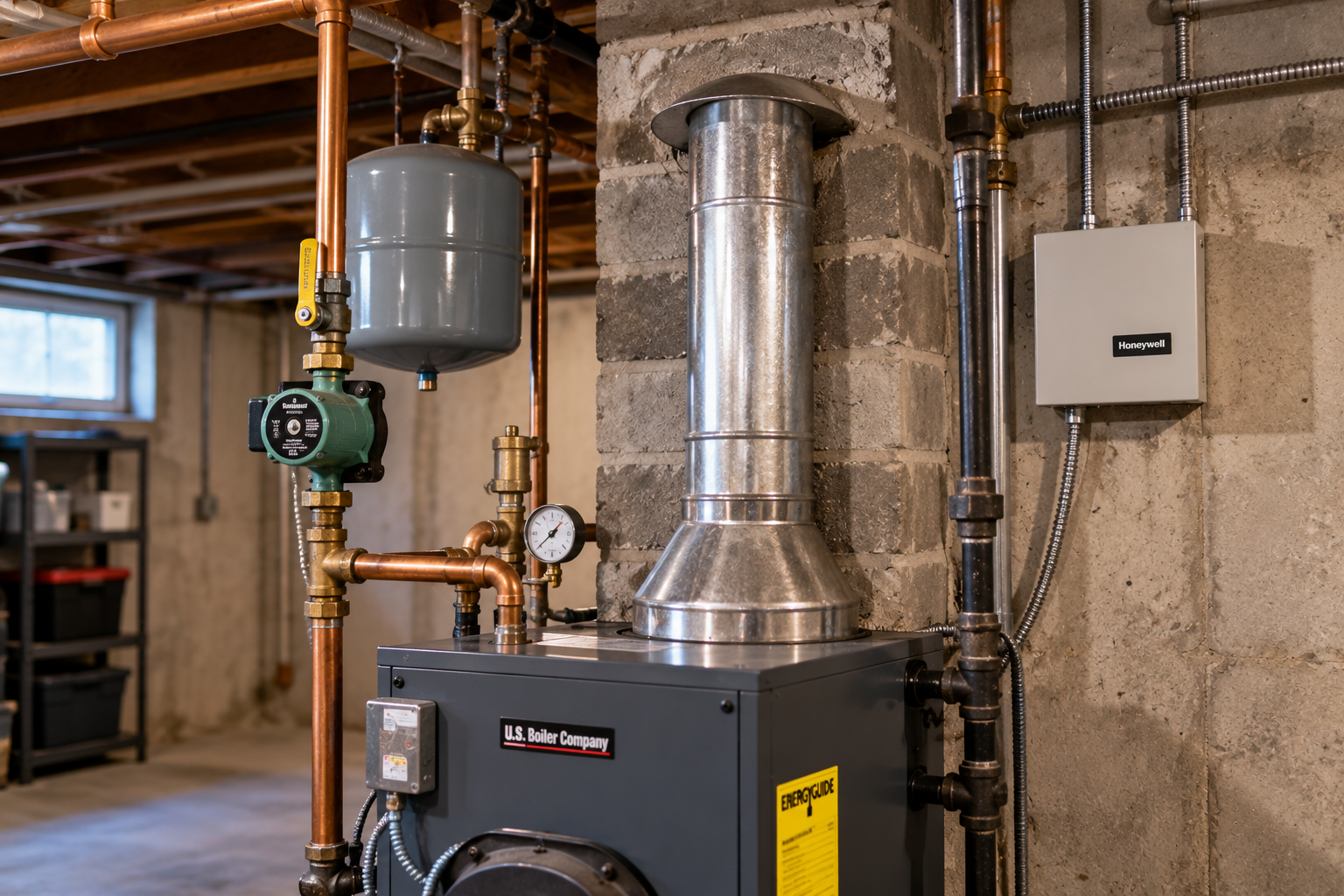
Interior camera evaluation and cleaning when buildup or obstructions are present.
.png)
Have the chimney evaluated regularly, particularly when it's actively used.
.png)
Know its condition before relying heavily on your fireplace or heating appliance.
.png)
Have the system evaluated before returning it to normal use.
.png)
Check for changes that may not be visible from the ground.
Can't find the question you're looking for? Call us at 978-685-0609.
A chimney repair estimate is an exterior evaluation for visible issues like damaged flashing, loose bricks, cracked mortar, water leaks or a missing chimney cap. A chimney inspection with ChimScan® is a detailed interior and exterior inspection that uses a camera to find hidden problems like cracked flue liners, blockages or creosote buildup. It's recommended if you're experiencing smoke issues, odors, excessive creosote, or after a chimney fire.
It's recommended to have your chimney inspected at least once a year, especially if you use it regularly. The National Fire Protection Association (NFPA 211) advises annual inspections to make sure your chimney is safe and ready to use.
A chimney inspection includes a thorough check of the chimney structure, flue and ventilation. We use a ChimScan® camera, which sends live images from inside your chimney so our technicians can see a real-time feed and get an accurate look at any issues. We check for creosote buildup, blockages, cracks and other hazards to make sure your chimney is in good condition.
Even if you rarely use your fireplace, animals, debris and moisture can still cause blockages or damage that lead to hazards like carbon monoxide exposure. Your heating system may also vent through your chimney even when the fireplace isn't in use. Regular inspections make sure everything is working safely and efficiently.
Signs to look for include smoke entering your home, unpleasant odors, soot buildup, or a recent chimney fire or severe weather event.
Most chimneys should be checked for sweeping at least once a year, especially if you use your fireplace or stove regularly. If you burn wood, more frequent cleanings may be needed depending on how much creosote builds up. We always inspect first and only sweep when it's needed.
Chimney sweeping removes creosote, soot and debris, preventing dangerous blockages and reducing the risk of chimney fires. It also keeps ventilation and airflow working properly, so your home stays protected and your fireplace runs efficiently.
Common signs include a smoky smell from the fireplace, soot or black stains around the fireplace, difficulty starting or keeping a fire going, and smoke entering your home when the fireplace is in use.
It's not recommended. Cleaning a chimney properly takes special tools and training. A professional chimney sweep will safely remove creosote buildup and check the chimney for other potential hazards.
Skipping a needed sweep can lead to dangerous creosote buildup, which is highly flammable and can cause a chimney fire. It can also block airflow, leading to poor ventilation and a higher risk of carbon monoxide entering your home.
A chimney sweep involves cleaning the flue and chimney structure and removing soot, creosote and any blockages. The technician also checks for signs of damage or issues that may need further attention.
Yes. After a professional chimney sweep, your fireplace should be ready to use. The cleaning removes debris and creosote, reducing the risk of fire hazards.

Reliable and professional chimney services, including inspections, cleaning, repairs, installations, and more. Keep your home protected and your chimney running efficiently—contact us today!


